

Chinese Medicine offers insight into what is underlying these conditions and offers a new view of how you can support your bones, which are considered your “battery charge,” through the winter season.
Nourish Your Bones This Winter Season

What Does Winter Have to Do With Your Bones? More Than You Think!
Welcome to the beautiful, interconnected world of Chinese medicine, where the wisdom of nature becomes a guide to understanding our own health.
You've probably heard the saying, "Everything is connected."
Sometimes these connections seem obvious. Other times, the relationship between two things may seem completely mysterious. Winter and bone health, for example. What could they possibly have in common?
Chinese medicine offers us an entirely different lens through which to see these relationships.
For thousands of years, the wisdom of Chinese medicine has grown from careful observation of nature: the changing seasons, the cycles of growth and decline, the movement of water, the warmth of the sun, and the remarkable ability of living things to adapt to their environment.
Rather than viewing the human body as separate from nature, Chinese medicine recognizes that we are nature. The same forces that shape the world around us are reflected within us.
When we understand these connections, we gain something incredibly empowering: the ability to make better choices about how we live, how we nourish ourselves, and how we protect our vital life force.
And winter may be one of our greatest teachers.

What if the darkness of winter wasn't something to escape, but something your body actually needs?
What if shorter days, colder temperatures, and the natural urge to slow down were all part of an ancient rhythm designed to help us restore our health, rebuild our strength, and protect our deepest energy reserves?
And what on earth does any of this have to do with your bones?
Winter, the Water Element & Your Deepest Energy Reserves
In Chinese medicine, the Five Elements—Wood, Fire, Earth, Metal, and Water—illustrate the relationships and collaboration between the different energies of the natural world and our bodies.
Winter belongs to the Water Element.
Water is deep, mysterious, quiet, and powerful. Think of the vast depths of the ocean: dark and seemingly still, yet holding an extraordinary abundance of life.
The Water Element is associated with:
Season: Winter
Direction: North
Climate: Cold
Color: Black
Taste: Salty
Emotion: Fear
Organs: Kidneys and Urinary Bladder
Tissues: Bones, bone marrow, and teeth
Energetic quality: Storage, conservation, depth, and regeneration
The Kidneys are particularly important because, in Chinese medicine, they store our deepest most vital condensed energy essence, called Jing.
Jing represents our fundamental reserves of vitality—the deep resources that support growth, development, reproduction, aging, and the strength of our bones and marrow.
Think of Jing as your body's deepest battery charge.
We replenish our daily energy through food, breath, sleep, and rest. But when we consistently expend more energy than we bring in, we begin drawing on deeper reserves.
And when this pattern continues for too long, Chinese medicine teaches that we may begin depleting our Kidney Jing/essence.
Your Bones Are Your Deepest Energetic Battery

Our bones are the deepest, densest, and most condensed tissues of the body. In Chinese medicine, they are closely associated with the Kidney system and its stored essence.
When our reserves are strong, they support our vitality, endurance, resilience, and healthy aging.
But when we continually burn through our energy—working too hard, sleeping too little, living under chronic stress, or failing to nourish ourselves—we risk drawing down these precious reserves.
From the perspective of Chinese medicine, signs of Kidney essence depletion may include:
Osteopenia, osteoporosis, and fragile bones
Weak teeth or declining dental health
Chronic fatigue and exhaustion
Memory loss, forgetfulness, or difficulty concentrating
Weakness, especially in the lower back and knees
Chronic pain and reduced physical resilience
Poor digestion and difficulty maintaining energy
Depression, fearfulness, or diminished motivation
Premature aging and declining vitality
These are traditional Chinese medicine pattern associations, rather than proof that each condition is caused by depleted Kidney essence. They illustrate how Chinese medicine looks for connections among symptoms that might otherwise seem unrelated.
The lesson is simple: our deepest reserves are precious. We want to nourish and protect them, not continually draw them down.
And this brings us back to winter.
Why Winter Is the Season to Recharge

Look outside.
What is nature doing?
The trees have dropped their leaves. Growth has slowed. Many animals are hibernating or conserving energy. Seeds lie dormant beneath the soil. The landscape appears quiet, but beneath the surface, life is being preserved and prepared for another cycle of growth.
Nature isn't being lazy.
Nature is restoring itself.
Winter is the Yin season—the time of darkness, stillness, inward movement, and conservation.
And the longer nights are one of nature's most obvious invitations to do the same.
Yet look at how most of us live.
We turn on the lights and continue working long after sunset. We fill our evenings with television, phones, computers, and endless stimulation. We maintain the same schedules and expectations regardless of the season.
Our modern lifestyles often ask us to live as though it were summer all year long.
In Chinese medicine, this means we're moving against the natural rhythm of winter rather than with it.
Instead of conserving our energy, we're continuing to spend it.
Instead of restoring our reserves, we're making withdrawals.
Winter is the season for making deposits into your energetic bank account.
So how do we do that?
8 Simple Ways to Nourish Your Bones, Kidneys & Life Force This Winter

1. Follow the Sun — Sleep More, Do Less
The sun is setting earlier for a reason!
Winter invites us to slow down, go inward, and spend more time resting. One of the simplest ways to honor this seasonal rhythm is to adjust our sleep habits.
Try this:
Go to bed 30–60 minutes earlier when possible.
Allow yourself a little extra sleep in the morning.
Dim the lights in the evening and reduce screen time.
Give yourself permission to rest without feeling guilty.
Avoid filling every moment of your day with activity.
Sleep is one of the most important ways we restore our daily energy. In Chinese medicine, winter is an especially valuable time to protect those deeper reserves.
Remember: Rest is productive. Your body is doing important work when you slow down.

2. Stay Warm — Don't Waste Energy Fighting the Cold
Cold is an important environmental influence in Chinese medicine.
When we become chilled, our blood vessels constrict, our muscles tighten, and our bodies must work to maintain warmth.
Cold hands and feet, stiff muscles, and a feeling of being chilled to the bone can be reminders that we need more protection from the elements.
Try this:
Bundle up before heading outdoors.
Wear warm socks, slippers, and insulated boots.
Put those sandals away until warmer weather!
Keep at least one room of your home comfortably warm, where your muscles can relax and your mind can unwind.
Snuggle under blankets and use a warm water bottle.
Enjoy warm baths or showers after being outside in the cold.
Protect your lower back, abdomen, feet, and neck from cold drafts.
The goal isn't to avoid winter. It's to enjoy the season without unnecessarily stressing your body.
Warmth encourages relaxation, comfort, and the smooth movement of Qi and Blood.

3. Eat Warm, Nourishing Foods
Winter is the perfect time for soups, stews, slow-cooked meals, and nourishing broths.
In Chinese medicine, the digestive system is like a cooking pot. It needs sufficient warmth and energy to transform food into the nourishment our bodies can use.
During winter, favor meals that are warm, satisfying, and easy to digest.
Wonderful winter foods include:
Root vegetables such as carrots, beets, parsnips, and sweet potatoes
Winter squash and pumpkin
Black beans, lentils, and other nourishing legumes
Dark leafy greens, preferably cooked
Black rice, oats, and other whole grains
Walnuts, sesame seeds, and other nutrient-dense foods
Slow-cooked soups, stews, and bone broth
The Water Element is also associated with the salty taste. This doesn't mean eating excessive salt, but rather appreciating naturally mineral-rich foods such as sea vegetables, broths, and other nourishing ingredients.
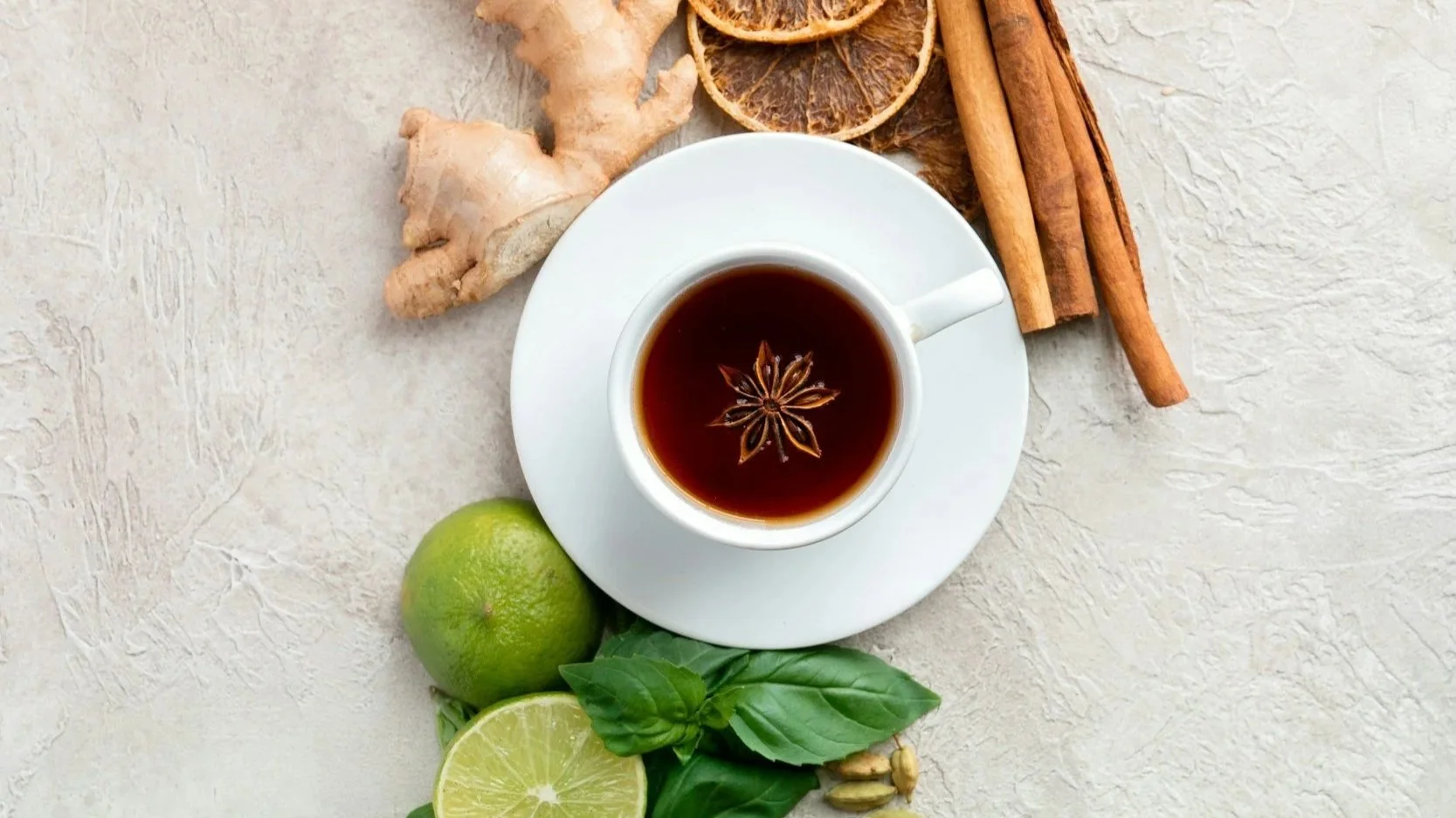
4. Enjoy Warming Spices & Teas
Winter is a wonderful time to bring more warming, aromatic spices into your daily routine.
Ginger, cinnamon, cardamom, fennel, and cloves have long been valued in traditional medicine and cooking for their warming qualities and digestive support.
Ginger & Date Tea
A simple, comforting winter tonic.
Ingredients:
3–4 slices fresh ginger
2–3 dates, preferably jujube dates
2 cups water
Honey to taste
Simmer the ginger and dates for 10–15 minutes. Strain, add honey if desired, and enjoy warm.
Orange Peel & Spice Tea
A lovely aromatic tea to enjoy after meals.
Ingredients:
A few strips of well-washed orange peel or zest
2–3 slices fresh ginger
1 cinnamon stick or a few cardamom pods
2 cups water
Optional dates and honey
Simmer gently for 10–15 minutes.
In Chinese medicine, citrus peel is traditionally used to encourage the movement of Qi and support comfortable digestion.
These teas are also a wonderful excuse to sit down, take a break, and enjoy a moment of quiet.
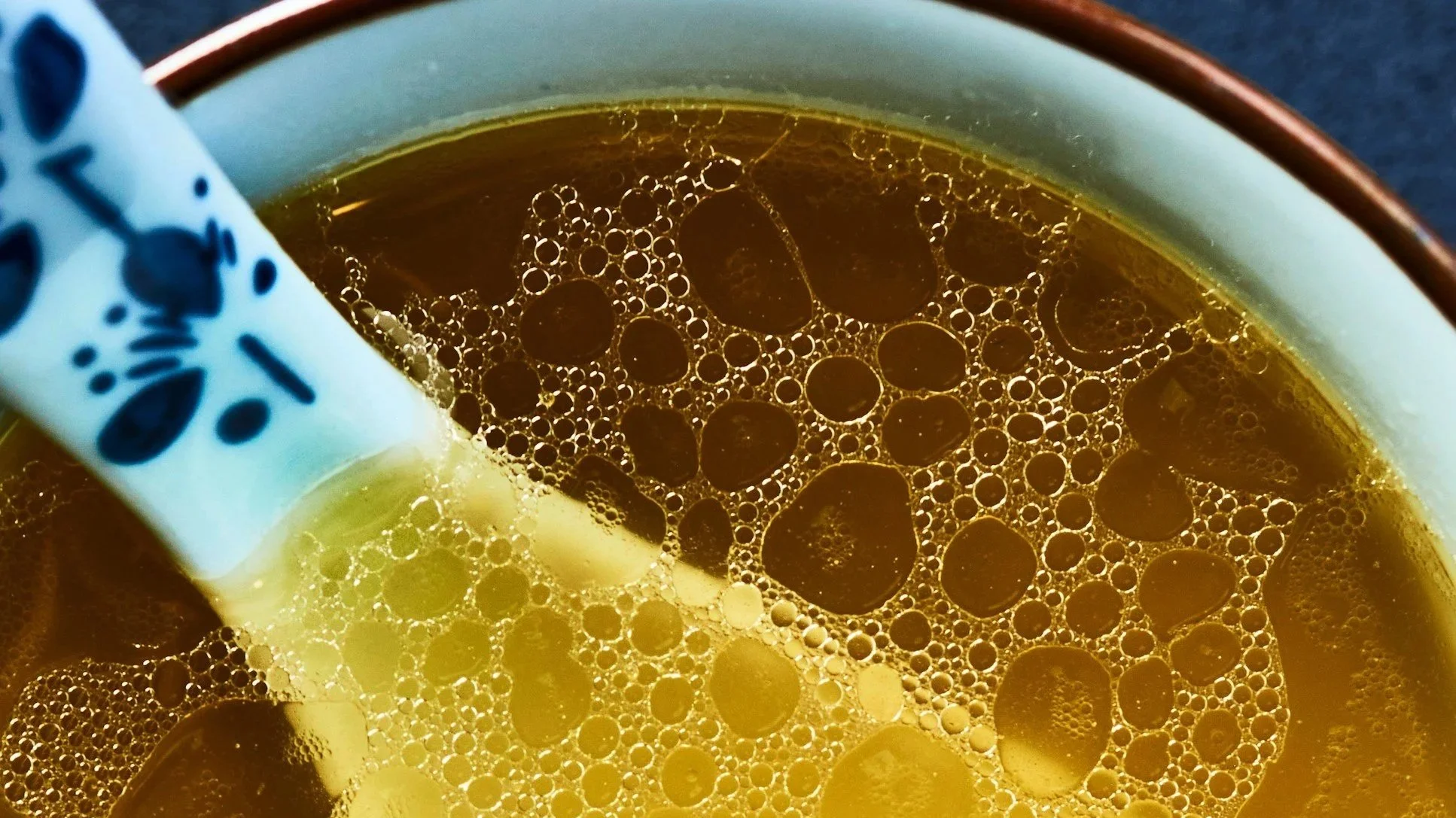
5. Make a Nourishing Winter Bone Broth
Bone broth beautifully illustrates the Water Element's relationship with bones, marrow, and deep nourishment.
Inspired by the traditional slow-cooking methods described in Nourishing Traditions, a simple broth can be made using bones, vegetables, water, and a little vinegar.
Simple Winter Bone Broth
Ingredients:
2–3 pounds of chicken or beef bones
2 tablespoons apple cider vinegar
1 onion
2 carrots
2 celery stalks
Fresh ginger, if desired
Water to cover
Directions:
Place the bones in a large pot with water and vinegar.
Allow them to soak for about 30 minutes before heating.
Add the vegetables and bring gently to a simmer.
Cook at a low simmer until flavorful—approximately 4–6 hours for chicken bones or 8–12 hours for beef bones.
Strain, cool promptly, and refrigerate or freeze.
The vinegar helps acidify the cooking water and may assist with extracting some minerals, although the actual mineral content of bone broth varies.
Enjoy it as a warming beverage or as the base for nourishing soups and stews.
For vegetarians, a rich broth made with mushrooms, sea vegetables, black beans, root vegetables, and ginger is another wonderful winter option.

6. Quiet Your Mind — Conserve Mental Energy
We often think about energy in terms of physical activity, but our minds can be enormous energy consumers.
Constant thinking, worrying, planning, multitasking, and reacting to screens can leave us feeling depleted even when we've barely moved our bodies.
Winter invites us to cultivate a different kind of activity—one that nourishes rather than exhausts.
Try this:
Put down your phone and turn off the television.
Read a book or learn something new.
Journal or reflect on the past year.
Paint, draw, knit, or make something with your hands.
Play music or enjoy listening quietly.
Work on a puzzle or play a game.
Spend time with people who leave you feeling nourished.
Sit by a window and watch the rain fall or the wind move through the trees.
And sometimes?
Do absolutely nothing.
Sit quietly with a warm cup of tea. Watch the fire. Listen to the rain.
Stillness isn't empty. It's restorative.

7. Practice Qi Gong — Recharge Your Energy
Qi Gong is one of my favorite ways to support the body's energy during winter.
Unlike exercise that pushes us toward exhaustion, Qi Gong combines gentle movement, breath, and focused awareness to encourage the smooth circulation of Qi throughout the body.
In Chinese medicine, Qi Gong practices can be used to nourish Kidney energy, strengthen our connection to the Earth, and cultivate our deepest reserves.
Try this simple winter practice:
Stand comfortably with your feet shoulder-width apart and your knees soft.
Place your hands over your lower abdomen, just below your navel.
Breathe slowly and gently into your belly.
As you inhale, slowly open your arms outward, allowing your chest to expand.
As you exhale, bring your hands back toward your lower abdomen.
Repeat 6–10 times, allowing your body to become increasingly relaxed.
Imagine gathering energy inward with each breath, nourishing the deep reservoir of vitality within you.
Even 5–10 minutes a day can become a meaningful ritual for slowing down and reconnecting with yourself.
Join Jen for Winter Qi Gong!
I'll be offering Qi Gong classes beginning in December and continuing through January as we transition from 2026 into 2027.
This is a beautiful opportunity to establish a daily practice, nourish your energy, and move through winter with greater awareness, balance, and vitality.
Watch for upcoming class details!
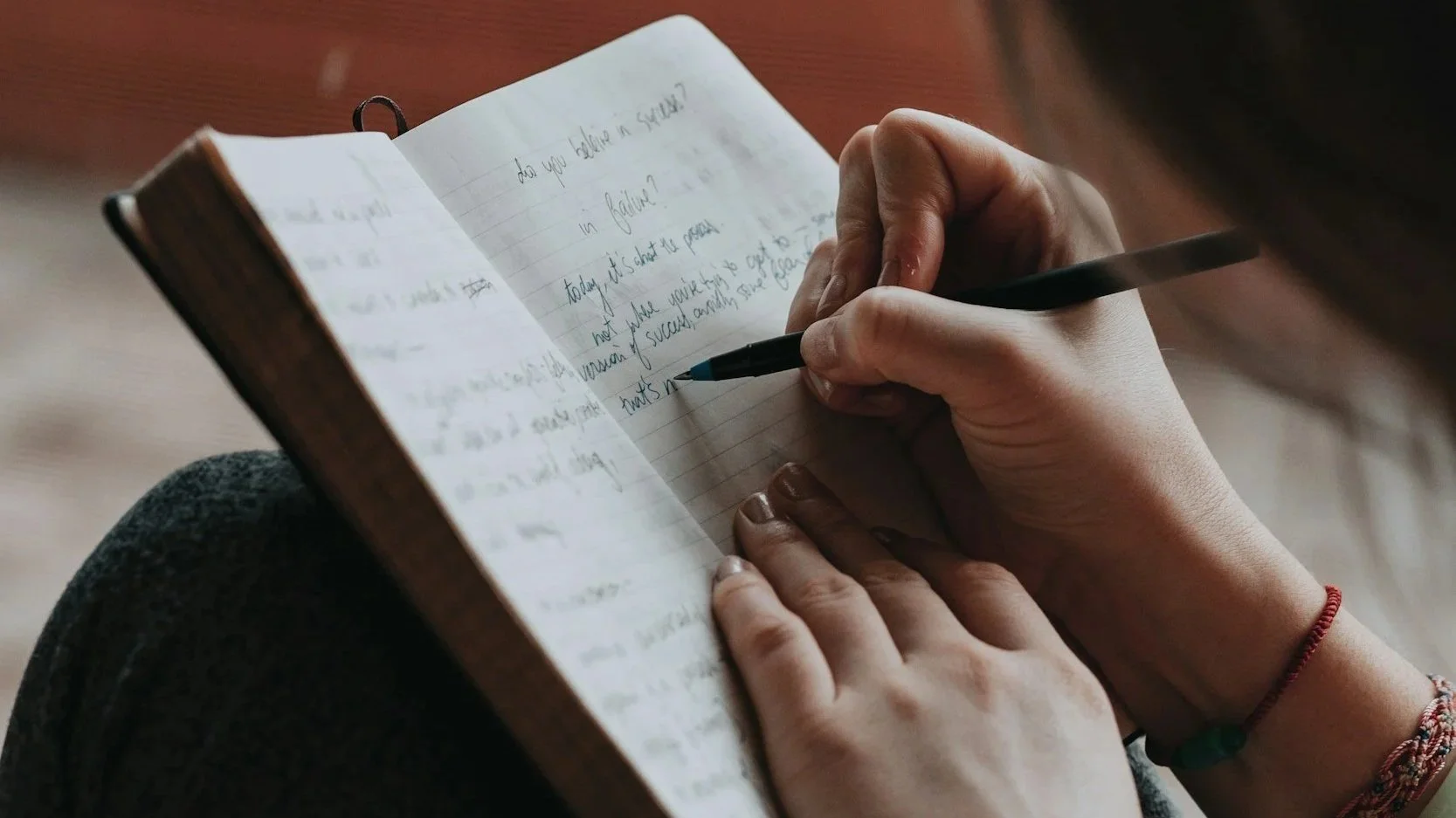
8. Embrace Winter's Gift — Reflection & Renewal
Winter isn't simply a time to wait for spring.
It has its own purpose.
The quiet of winter creates space for reflection, restoration, and the gathering of resources that will support the next cycle of growth.
Ask yourself:
Where am I spending more energy than I have?
What activities leave me feeling nourished, and which leave me depleted?
Am I allowing myself enough time to rest?
What could I let go of this winter?
What do I want to cultivate in the coming year?
In Chinese medicine, the Water Element is associated with wisdom, willpower, and our deepest reserves of life force.
When we slow down enough to listen, we may discover that we already know what our bodies need.
We simply haven't been giving ourselves permission to respond.
The Beauty of Chinese Medicine: Learning to Live in Harmony
One of the things I love most about Chinese medicine is how empowering it is.
It gives us a way to understand our health that goes beyond isolated symptoms or individual organs.
It teaches us to recognize patterns, relationships, and the subtle influences of our environment.
It reminds us that our bodies aren't separate from nature. We are part of its rhythms.
And when we begin living in harmony with those rhythms, we create more supportive conditions for health, resilience, and vitality.

Winter is not a season of emptiness. It is a season of gathering, storing, and protecting the energy that will carry us into spring.
So this winter, try doing a little less.
Sleep a little more.
Stay warm.
Eat nourishing foods.
Quiet your mind.
Practice Qi Gong.
And remember that every moment of rest is an opportunity to make a deposit into your deepest energetic reserves.
Your bones, your Kidneys, and your future self will thank you.
With warmth and wishes for a nourishing winter,
Jen & Barclay
East-West Apothecary
Want to Learn More About Your Own Energy Reserves?
Chinese medicine offers an individualized approach to understanding fatigue, weakness, cold sensitivity, sleep disturbances, digestive problems, and other signs of imbalance.
Through personalized consultations, traditional herbal medicine, acupuncture, moxibustion, Qi Gong, and lifestyle guidance, we can help you explore the patterns influencing your health and develop practical ways to support your vitality.