


CHINESE MEDICINE
ANCIENT KNOWLEDGE
FOR MODERN TIMES
HEALTH = BALANCE
Rooted in Self-Care
REST
Chinese medicine, emphasizes practices of rest as a vital component for cultivating life energy and maintaining physical, mental and emotional health.
Rest typically involves adequate sleep, relaxation techniques, and mindfulness activities to reduce stress and balance the body's energies.

MOVEMENT
Exercise is a critical component of health. Finding the right amount of movement to build our strength without being overly depleted is a cornerstone of Chinese Medicine. Gentle, flowing exercises such as Tai Chi and Qigong, are designed to enhance vitality and balance the flow of qi (life energy) through the body.
NUTRITION
Nutrition practices focus on a balanced diet emphasizing the consumption of whole, seasonal, and energetically appropriate foods to nourish the body.
Eating in moderation and choosing foods that correspond to one's individual constitution and the current season to optimize one’s vitality.
YIN & YANG
Chinese Medicine seeks to restore harmony in the body by balancing Yin and Yang through various modalities, such as acupuncture, herbal remedies, and tailored dietary advice.
This holistic approach underscores that a balanced state not only addresses specific ailments but more importantly focuses on preventive care by maintaining strong health and resilience in the tissues and prevents illness and disease.

THE THREE TREASURES
In Traditional Chinese Medicine, the concept of the Three Treasures—Jing (Essence), Qi (Vital Energy), and Shen (Spirit)—forms the foundation of health and vitality.
Balancing these Three Treasures is essential, as disharmony among them can lead to diseases and overall decline in health. By paying close attention to the Three Treasures through practices such as herbal medicine, acupuncture, and Qi Gong, Chinese Medicine practitioners strive to maintain or restore the body's natural harmony and optimize health.
JING = BODY
Jing represents the stored life force, governing growth, reproduction, and development; it is the deepest and most physically dense energy reserve in the body, analogous to one's genetic potential and the aging process.

QI = BREATH
Qi is the active, day-to-day energy that circulates through the meridians, enabling the body to perform its functions; it's what we draw upon for our daily activities and is greatly influenced by our diet, exercise, and breath.

SHEN = SPIRIT
Shen reflects our mental and spiritual health, encompassing consciousness, emotions, and thought; a strong Shen is reflected in a person's aura and vibrancy, indicating a harmonious balance between the mental and physical.
5 ELEMENTS
-
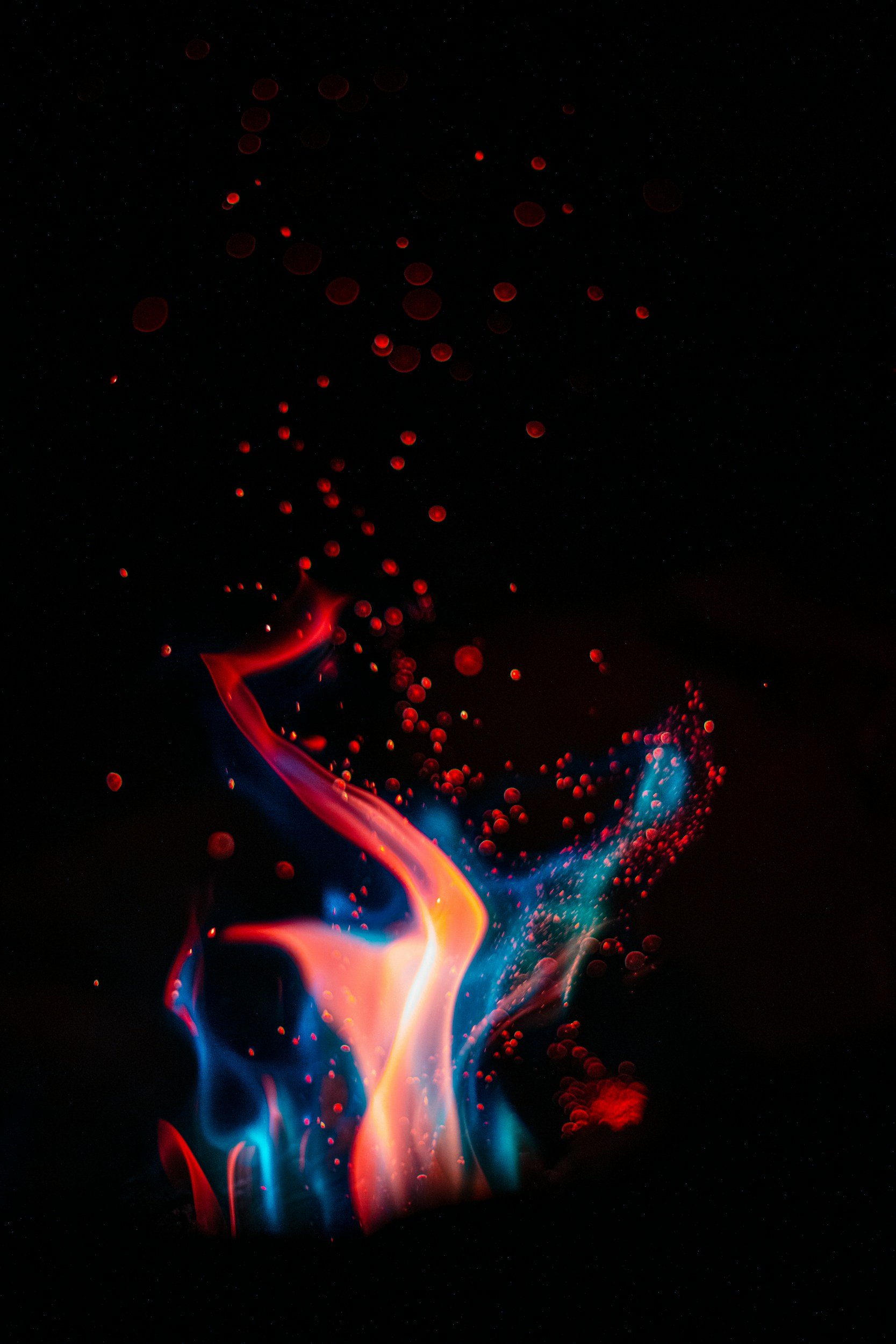
FIRE
In Chinese Medicine, fire is one of the Five Elements, and it relates to the heart and small intestine organs. It embodies qualities such as warmth, transformation, and dynamism, playing a crucial role in functions like circulation, emotional well-being, and our connection to the world around us.
-
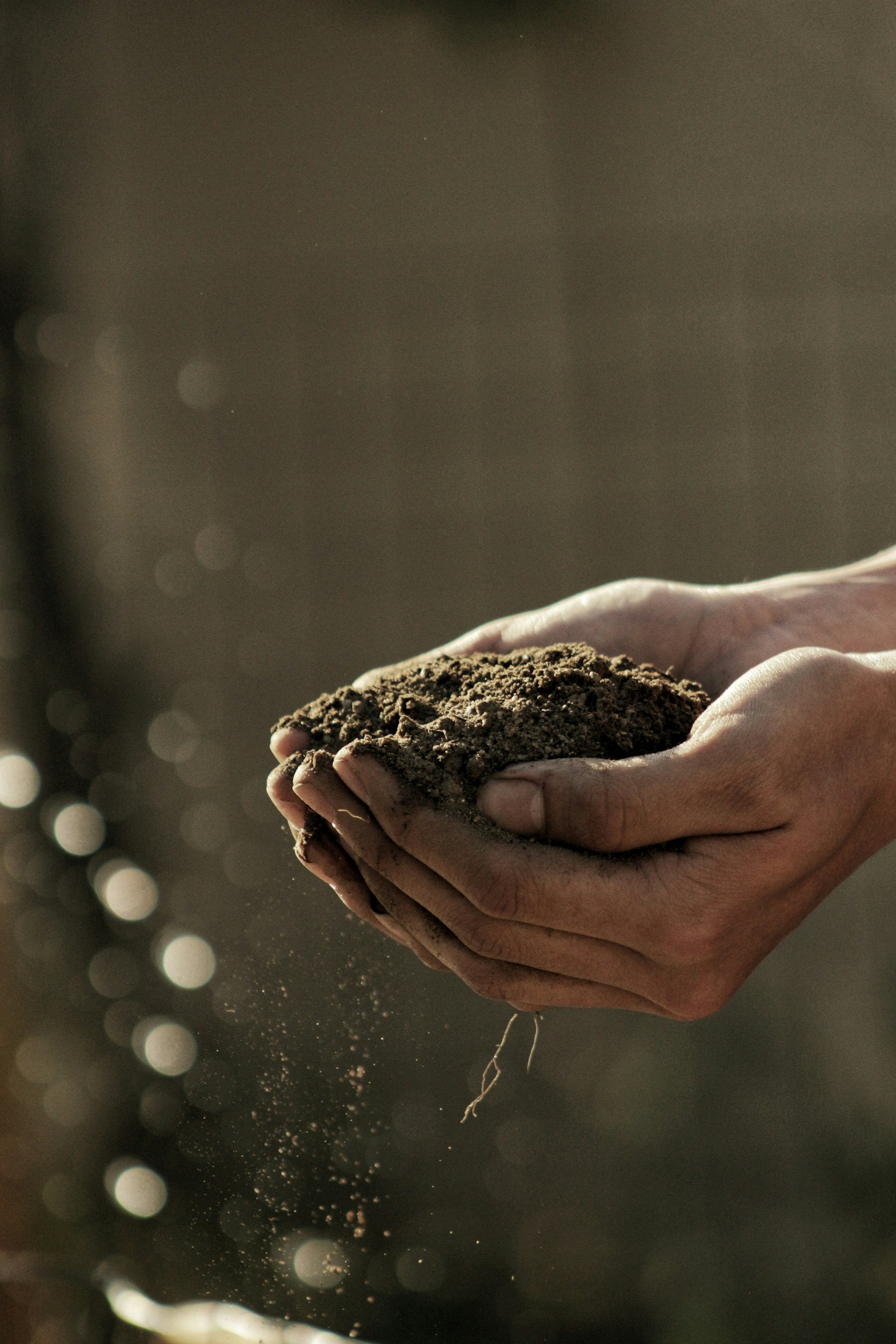
EARTH
The Earth element is associated with the digestive system, specifically the spleen and stomach organs, and it symbolizes nourishment, stability, and the ability to transform food into energy and nutrients. It also represents the center from which one's grounding and harmonious rhythms of life emerge.
-

METAL
Metal corresponds to the organs of the lungs and large intestine, reflecting themes of purity, structure, and precision, as it governs breathing, immune function, and the elimination processes. It is also associated with the emotions of grief and the capacity for letting go, representing the cycle of life and death, and the importance of boundaries and value.
-

WATER
The Water element is linked to the kidneys and bladder organs, representing the body's fundamental energies and the concept of vitality and willpower (Zhi). It is also associated with the deepest reserves of energy, the capacity for growth and reproduction, and the ability to endure and flow adaptively through life's challenges.
-

WOOD
In Chinese Medicine, the Wood element is associated with the liver and gallbladder, signifying growth, expansion, and the smooth flow of Qi and emotions throughout the body. It governs the body's planning and decision-making processes, stress management, and flexibility, both physically and emotionally.
The POWER of EMOTIONS
In Chinese Medicine, emotions are deeply intertwined with physical health and imbalances can cause disease within the body.


When emotions become intense or are sustained over a long period, they can stagnate the flow of Qi (vital energy), leading to physical manifestations of illness. Recognizing and addressing emotional imbalance is therefore a vital component of treatment in Chinese Medicine, aiming to harmonize the body and mind for overall health.
BODY = ECOSYSTEM

Our body can be likened to a dynamic ecosystem, comprising countless non-self cells such as the microbiota, which play crucial roles in various physiological processes from digestion to immunity.
Health, in this context, is the result of a finely-tuned symbiosis between these internal microbial communities and our tissues, ensuring homeostasis.
It is also important to understand that while we are ecosystems ourselves, we are also part of a larger ecosystem, and anything we can do to remedy the imbalances around us will help us to be healthier and happier.
NATURE = MEDICINE
Nature serves as a profound pharmacy, offering a bounty of medicinal plants that possess potent attributes capable of restoring health and regenerating bodily tissues.
By choosing natural plant-based medicines and unadulterated foods we support a thriving microbiome fostering resilience in our tissues.
Such wholesome nutrition nurtures the body, mind, and spirit, ensuring that our internal ecosystem remains vibrant and robust, and intrinsically connected to the health-giving properties of the planet on which we live.
